
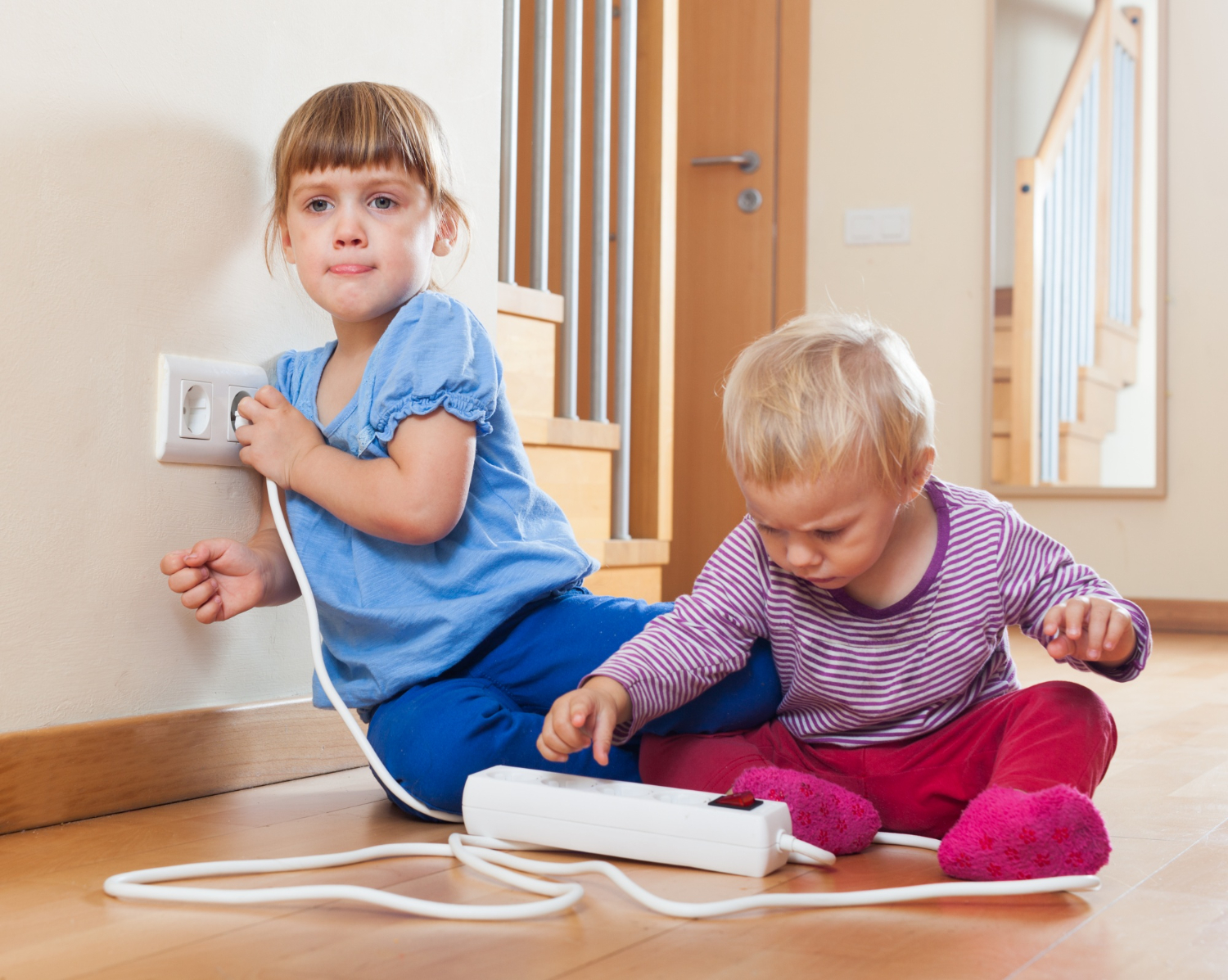
Power outlet safety is a critical component of NSPIRE inspections and a common source of electrical deficiencies during HUD evaluations. Damaged, unprotected, or improperly installed outlets can quickly lead to life-threatening or severe incidents, jeopardizing inspection scores, funding, and resident safety.
For property managers and housing authorities, maintaining power outlet safety is not just about passing inspections. It is about preventing hazards, reducing liability, and ensuring every unit meets NSPIRE standards year-round. This guide outlines practical steps to help you stay compliant and avoid common outlet-related failures.
Key Takeaways
- Power outlet safety is a high-risk inspection category under NSPIRE standards.
- Damaged, ungrounded, or unprotected outlets frequently result in life-threatening conditions.
- GFCI protection is required near water sources and must function properly.
- Regular testing and preventive maintenance reduce the need for emergency repairs and failed inspections.
- Professional pre-inspections help identify power outlet safety issues before HUD inspectors arrive.
Why Power Outlet Safety Matters Under NSPIRE Standards
NSPIRE inspections place strong emphasis on electrical safety because outlets directly impact fire risk, shock hazards, and overall habitability. Inspectors assess whether outlets are safe, functional, and appropriate for their location.
Power outlet safety issues are often classified as life-threatening when exposed wiring, water contact, or missing protection is present. These deficiencies require correction within 24 hours and can immediately fail an inspection.
Addressing power outlet safety proactively helps protect residents while also minimizing emergency repairs and last-minute inspection stress.
Common Power Outlet Deficiencies Found During NSPIRE Inspections
Damaged or Broken Outlets
Cracked outlet covers, loose receptacles, or missing faceplates expose wiring and create shock hazards. These conditions frequently result in life-threatening findings during NSPIRE inspections.
Improperly Grounded Outlets
Outlets that fail grounding tests or show reversed polarity are considered unsafe. Inspectors often use testers to verify grounding, especially in older properties.
Unprotected Outlets Near Water Sources
Unprotected outlets within six feet of sinks, tubs, or other water sources are a major violation of power outlet safety. These locations require GFCI protection to meet NSPIRE requirements.
Non-Functioning or De-Energized Outlets
Outlets that do not provide power, even if they appear intact, can still be cited if required outlets are missing in a habitable room.
Power Outlet Safety Requirements You Must Know for NSPIRE Compliance
GFCI Protection in Required Areas
Power outlet standards require GFCI outlets in kitchens, bathrooms, laundry rooms, basements, and exterior locations. GFCI outlets must also test and reset properly.
If a GFCI outlet or breaker does not trip or reset during testing, it is considered a severe deficiency under NSPIRE.
For more information on GFCI function and safety, review guidance from Safe Electricity.
Proper Spacing and Outlet Availability
NSPIRE standards require at least one working outlet and one permanent light fixture, or two working outlets, in each habitable room. Missing or non-functional outlets can result in moderate or severe findings.
AFCI Requirements Where Applicable
Arc-fault circuit interrupters are increasingly relevant in electrical safety compliance. While not always required in every unit, damaged or non-functioning AFCI outlets or breakers can still be cited during inspections.
How to Inspect Power Outlets Before an NSPIRE Inspection
Perform Visual Inspections in Every Unit
Walk each unit and check for loose outlets, cracked covers, missing faceplates, or visible wiring. Power outlet safety issues are often visible without tools.
Test Outlets with a Receptacle Tester
Use a three-prong outlet tester to check grounding, polarity, and power. This simple step can identify major electrical deficiencies early.
Test GFCI and AFCI Functionality
Press the test and reset buttons on all GFCI and AFCI outlets and breakers. If they fail to respond, schedule immediate repairs.
Check Outlet Placement Near Water
Confirm that all outlets within six feet of sinks, tubs, or laundry connections are GFCI-protected. This is one of the most frequently cited power outlet issues under NSPIRE.
Preventive Maintenance Tips to Maintain Power Outlet Safety Year-Round
Power outlet safety should be part of your ongoing maintenance plan, not a last-minute inspection task.
Schedule routine electrical checks during unit turns and annual maintenance cycles. Train maintenance staff to report loose outlets, damaged covers, and tripping breakers immediately.
Document repairs and replacements to demonstrate compliance efforts if issues arise during inspections.
For guidance on broader electrical compliance, visit the Occupational Safety and Health Administration site.
How NSPIRE Experts Help Address Power Outlet Safety Issues
Power outlet safety issues are often overlooked until inspection day. NSPIRE Experts helps property managers identify and fix these problems before they become inspection failures.
Our NSPIRE Pre-Inspection Services include a comprehensive electrical review that flags outlet-related deficiencies early, enabling efficient repairs.
If repairs are needed, our NSPIRE Property Prep & Repairs teams can quickly and at scale correct outlet deficiencies across multiple units.
We also provide inspection support to ensure electrical conditions are properly evaluated and documented on inspection day.
Frequently Asked Questions About Power Outlet Safety and NSPIRE
Are loose or cracked outlet covers a serious NSPIRE violation?
Yes. Exposed wiring or loose outlets are commonly classified as life-threatening deficiencies and require immediate correction.
Do all outlets need to be GFCI-protected?
No. GFCI protection is required in specific locations, including kitchens, bathrooms, laundry areas, basements, and exterior spaces.
Can an outlet fail inspection if it looks fine but does not provide power?
Yes. Non-energized outlets may still be cited if required outlets are missing in a habitable room.
How quickly must power outlet safety issues be fixed?
Life-threatening electrical deficiencies must be corrected within 24 hours. Severe deficiencies typically require correction within 30 days.
Should power outlet checks be part of unit turnover inspections?
Absolutely. Addressing outlet safety during apartment turnovers helps prevent repeat deficiencies and reduces inspection risk.
Stay Ahead of NSPIRE Electrical Compliance
Power outlet safety is one of the easiest areas to proactively manage when the right process is in place. If you want to reduce inspection risk and protect residents, professional pre-inspection support can make the difference.
Schedule an NSPIRE Pre-Inspection today to identify electrical issues before they impact your score.