

If you manage HUD-assisted housing, an NSPIRE inspection is no longer just another compliance event. It is now the defining standard that dictates whether your property is considered safe, functional, and fit for residents.
Launched fully by 2024, the National Standards for the Physical Inspection of Real Estate (NSPIRE) have replaced older inspection systems like UPCS and HQS with one unified HUD framework. That change matters because inspections now focus much more heavily on real health and safety conditions inside units, not just how a property looks on the surface.
For property managers, housing authorities, and investors, the stakes are high. A failed inspection can trigger costly enforcement actions, put federal funding at risk, and disrupt tenant relations. But with preparation, owners and managers can turn NSPIRE into an advantage: ensuring safe, habitable homes while protecting property value and funding streams.
👉 Before we dive in, make sure to download your Free NSPIRE Inspection Checklist. It’s the simplest way to prepare your property step by step. Or Schedule a NSPIRE pre-inspection to have our team walk your property with you before HUD arrives.

What Is an NSPIRE Inspection?
An NSPIRE inspection is HUD’s modernized framework for evaluating the physical condition of HUD-assisted housing. It was created to address decades of complaints about outdated, inconsistent, and sometimes unfair inspection methods.
Under the old rules, Public Housing and Multifamily properties were scored under UPCS, while voucher programs used HQS. This created confusion since definitions and scoring varied depending on the program. NSPIRE consolidates these fragmented approaches into a single, streamlined standard. No matter the property type, everyone is judged by the same criteria.
Why HUD Created the NSPIRE Inspection Standards
HUD introduced NSPIRE to address a long-standing problem: older systems did not always reflect the actual living conditions of residents. The stated purpose is clear: inspections should prioritize what matters most to residents—health, safety, and livability.
Under NSPIRE, cosmetic issues like peeling paint in a non-lead-risk area matter far less than conditions that threaten well-being, such as:
- Missing or non-functioning smoke detectors and CO alarms.
- Gas leaks or exposed electrical wiring.
- Structural hazards like broken fire doors or unstable guardrails.
- Mold, pests, and water damage that pose real health risks.
By focusing on hazards over appearances, NSPIRE closes loopholes that once allowed unsafe properties to pass simply because they “looked” okay.
NSPIRE vs UPCS and HQS: Key Differences
| UPCS/HQS (Old) | NSPIRE (New) |
| Separate rules for Public Housing vs. Voucher units | One unified standard for all HUD-assisted housing |
| 5 areas (UPCS) / 13 indicators (HQS) | 3 areas: Unit, Inside, Outside |
| Vague scoring (Level 1/2/3) | Clear deficiency categories (Life-Threatening, Severe, Moderate, Low) |
| Appearance-based scoring possible | Health, safety, and functionality prioritized |
📖 For more detail, see our related guide on NSPIRE Standards: NSPIRE Standards: The New HUD Inspection Protocol.

How the NSPIRE Inspection Process Works
An NSPIRE inspection is not random chaos. It follows a structured process, and understanding that process helps reduce surprises.
Advance notice and scheduling
Owners and managers generally receive a 28-day notice before a HUD inspection. This limited window means you must verify whether your property can withstand a real compliance review, not just do a quick cosmetic cleanup.
Sampling of units and areas
Inspectors do not inspect every unit. They select a percentage of units based on property size, plus common areas and exterior grounds. Because NSPIRE places heavier weight on dwelling units, your residents’ apartments matter more than ever.
Inspection execution
Inspectors document deficiencies using digital tools and often include photos. Findings are tied to inspectable areas and severity levels. At the end of the process, urgent health and safety items are identified first, followed by the broader report and score.
Reporting and follow-up
Property teams typically receive a health and safety report first, followed by a fuller inspection report with deficiency details, evidence, and scoring outcomes. At that point, timelines for correction and documentation become critical.
What HUD Inspectors Look for Under NSPIRE
Under NSPIRE, inspectors focus on three main inspectable areas:
Unit (Interior of Apartments):
This is the highest-priority area and the one that most directly affects the inspection outcome.
Inspectors look for issues such as:
- missing or non-functioning smoke and carbon monoxide detectors
- electrical hazards
- plumbing failures, leaks, or backups
- broken or unsafe fixtures
- non-functioning heating or cooling where applicable
- mold, pest activity, or water damage
- unsafe windows, doors, or egress conditions
Inside (Common Areas & Building Systems):
This refers to common interior spaces and building systems, such as:
- hallways
- laundry rooms
- stairwells
- electrical rooms
- mechanical spaces
- shared fire safety features
- interior lighting and accessibility elements
Outside (Building Exteriors & Grounds):
Exterior conditions also matter, including:
- trip hazards
- unsafe walkways
- roof or drainage issues
- exterior lighting
- guardrails and fencing
- site safety concerns
The key takeaway is this: inspectors are not simply checking whether the property appears maintained. They are verifying whether residents are living in safe, functional conditions.
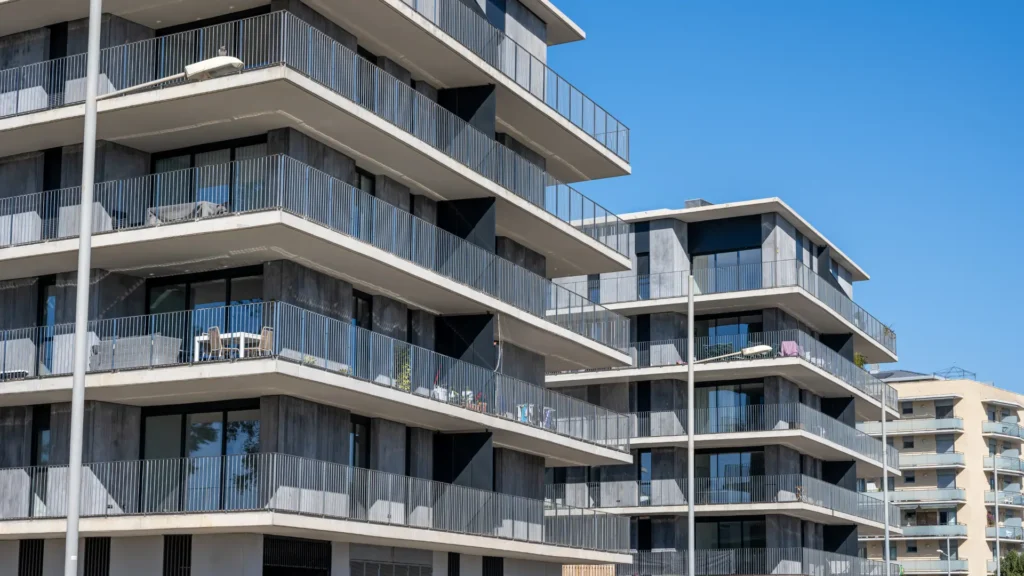
NSPIRE Scoring, Deficiency Categories, and Deadlines
NSPIRE scoring is designed to reflect the seriousness and location of deficiencies, not just their existence.
Scoring basics
For Public Housing and Multifamily properties, scores are typically based on a 100-point scale. A passing score is generally 60 or above. Voucher programs may follow a pass/fail structure rather than a numeric score.
Inspection frequency also changes based on performance. Better-performing properties may be inspected less frequently, while lower-performing properties face more frequent oversight.
Why unit conditions matter so much
One of the most significant changes under NSPIRE is the unit threshold rule. If the points lost within dwelling units reach a certain level, the property can fail even if the overall score would otherwise appear passing.
That means unsafe unit conditions are not just deductions. They can be the deciding factor.
Deficiency categories
Deficiencies are typically grouped into four severity levels:
- Life-Threatening (LT): Immediate danger of death or serious injury. (Examples: gas leaks, exposed live wires, missing smoke alarms). Deadline: 24 hours.
- Severe: High risk of disability, serious injury, or illness. (Examples: fire doors that won’t close, major structural instability). Deadline: 24 hours.
- Moderate: Could cause temporary harm or worsen if not addressed. (Examples: cracked outlet covers, missing stair railings). Deadline: 30 days.
- Low: Impacts habitability but not immediate safety. (Examples: minor cosmetic issues, small leaks). Deadline: 60 days.
Correction timelines
This is where operational discipline matters. Serious conditions are subject to strict deadlines, and failure to correct and certify them properly can trigger broader compliance consequences.
Property teams cannot treat these deadlines casually. Identifying the issue is only part of the job. You also need documentation, proof of completion, and a process that can withstand scrutiny.
What Happens If You Fail an NSPIRE Inspection?

A failed NSPIRE inspection is not just a bad score. It can create operational, financial, and compliance pressure very quickly.
If a property fails, the consequences may include:
- mandatory correction of identified deficiencies
- expanded review of units and areas
- tighter HUD oversight
- risk to subsidy flow or funding stability
- emergency strain on maintenance operations
- reputational damage with investors, residents, and stakeholders
For housing authorities, repeated poor performance can trigger even greater scrutiny and pressure under broader federal oversight systems.
For on-site teams, failure usually means reactive mode takes over:
- maintenance backlogs grow
- urgent repairs consume budget
- documentation becomes stressful
- vendor coordination intensifies
- resident complaints increase
- normal operations are interrupted
This is why a failed inspection should not be viewed as a temporary inconvenience. It is often a sign that property operations have already drifted away from continuous compliance.
Best Practices to Prepare for an NSPIRE Inspection
The strongest properties do not prepare for NSPIRE at the last minute. They build routines that make inspection readiness part of normal operations.
- Conduct regular self-inspections
Use an NSPIRE-aligned process to identify issues before HUD does. Internal walkthroughs should mirror actual inspectable areas and should not focus only on vacant units. - Prioritize unit interiors
Too many teams still over-focus on common areas and exterior appearance. Under NSPIRE, units deserve the highest attention because that is where resident-facing risk is most visible. - Train maintenance teams on deficiency severity
A team that does not understand how HUD classifies issues will misprioritize repairs. Staff need to know which issues create immediate risk and which ones can quickly escalate into compliance problems. - Build systems for urgent repairs
If life-threatening issues are found, you need a real response workflow. Not a vague intention. A real process with owners, deadlines, proof, and accountability. - Maintain documentation year-round
Repair completion alone is not enough. You should be able to show what was found, when it was addressed, how it was corrected, and what evidence supports closure. - Engage residents early
Residents often surface the issues that matter most. Encouraging timely reporting of leaks, broken devices, pests, and safety concerns can prevent inspection-day surprises. - Use pre-inspections strategically
A strong third-party pre-inspection helps uncover blind spots, verify readiness, and prioritize repair execution before the official inspection window.
How NSPIRE Affects Property Managers, Housing Authorities, and Owners
NSPIRE does not impact every stakeholder in exactly the same way, but it raises accountability across the board.
For property managers
The model requires stronger daily discipline. Deferred maintenance, inconsistent documentation, and weak follow-up are now more likely to show up in inspection results.
For housing authorities
NSPIRE raises the stakes around public accountability, compliance performance, and operational oversight. Repeated failures can create broader institutional consequences.
For owners and investors
Inspection outcomes now have a clearer connection to asset performance, funding stability, and reputational risk. Poor inspection history can signal deeper operational problems.
For multifamily operators
NSPIRE increases the need for systemized maintenance, clear role ownership, and inspection-aware operational planning across portfolios.
How NSPIRE Experts Help You Pass Inspections
Information alone does not solve inspection risk. Execution does.
Information alone does not solve inspection risk. Execution does.
NSPIRE Experts supports property teams with a model built around real inspection outcomes:
Pre-Inspections
We evaluate properties using the same standards HUD will apply, so teams can identify high-risk deficiencies before the official inspection.
Deficiency Reporting and Repair Prioritization
We help teams understand which findings matter most, what must be addressed first, and how to sequence compliance work effectively.
Property Prep and Repair Execution
We do not stop at reporting. Our model is built around action, helping properties move from identified deficiencies to actual correction.
Inspection Shadowing
On inspection day, support matters. Shadowing helps ensure your team is prepared, your process is organized, and the inspection is handled with a stronger understanding of standards and context.
Final Thoughts: Turn NSPIRE Readiness Into an Operational Advantage
NSPIRE inspections are stricter than many prior HUD inspection models, but the path forward is clearer.
Properties that treat compliance as an ongoing operational discipline put themselves in a much stronger position to:
- stabilize property performance
- reduce risk
- protect funding
- avoid costly surprises
- improve resident safety
The goal is not just to survive an inspection. The goal is to build a property operation that is ready before the inspection ever happens.
If your team is preparing for an upcoming HUD inspection, a structured pre-inspection and repair plan can help you identify risk early, prioritize the right fixes, and move into inspection day with more control and less uncertainty.
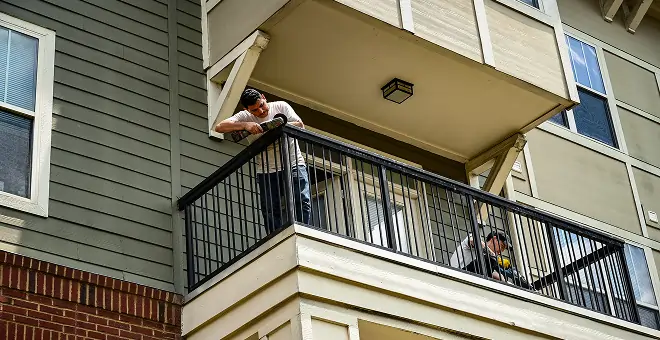
How NSPIRE Experts Help You Pass Inspections
At NSPIRE Experts, we’ve built our process specifically around HUD’s toughest inspection rules. Our 3-step approach makes compliance simple:
Step 1: Pre-Inspection
Our team inspects your property top to bottom, using HUD’s exact standards. You’ll know exactly what inspectors will flag—before they arrive.
Step 2: Repairs and Compliance Fixes
Unlike many consultants, we don’t just hand you a list. Our crews immediately fix deficiencies, unit by unit, so you’re inspection-ready.
Step 3: Inspection Shadowing
On the day of your HUD inspection, we’re by your side. Our experts shadow the inspector, answer technical questions, and advocate for your property.
Why Clients Trust Us
- Nationwide coverage within 48 hours.
- Teams with decades of HUD/REAC/NSPIRE experience.
- Proven track record helping housing authorities, property managers, and investors pass inspections.
📞 Ready to protect your property, funding, and tenants? Contact NSPIRE Experts today.
Need Help Preparing for an NSPIRE Inspection?
If you are approaching an inspection with unresolved deficiencies, the risk is bigger than a low score. It can affect funding, operations, timelines, and resident trust.
NSPIRE Experts helps property managers, housing authorities, and multifamily operators prepare through pre-inspections, deficiency reporting, repair execution, and inspection-day support designed for real compliance pressure.
Schedule a consultation and get your property inspection-ready before HUD arrives.