
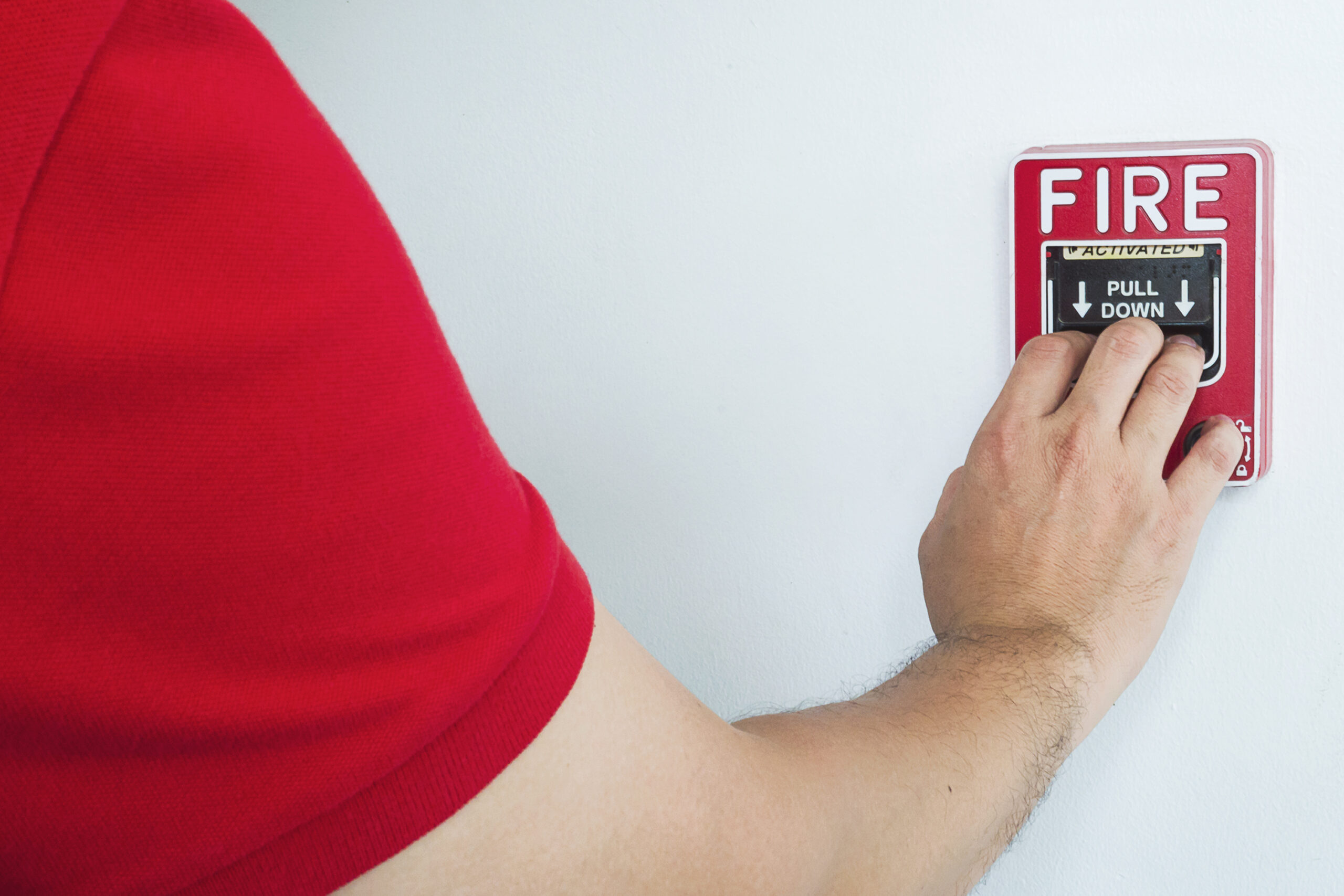
Fire safety compliance is one of the most important areas evaluated during NSPIRE inspections. Fire-related deficiencies can place residents at immediate risk and often result in failed inspections, emergency repairs, or funding consequences if not corrected on time.
NSPIRE fire safety inspections focus on early detection, safe evacuation, and prevention. This includes alarms, detectors, fire doors, and clear egress paths. Understanding how inspectors evaluate fire safety compliance helps property owners and managers prepare their properties and pass inspections the first time.
This guide explains what NSPIRE fire safety inspections cover, the most common compliance failures, and how to stay inspection-ready year-round.
Key Takeaways
- Fire safety compliance is a top priority under NSPIRE
- Alarms, fire doors, and egress routes are closely evaluated
- Many fire safety failures are classified as life-threatening
- Life-threatening deficiencies must be corrected within 24 hours
- Pre-inspection services help prevent failed inspections and emergency repairs
Why Fire Safety Compliance Is a Priority Under NSPIRE
NSPIRE was designed to prioritize resident health and safety. Fire hazards present an immediate danger, which is why many fire-related issues are classified as life-threatening deficiencies.
Fire safety compliance failures can trigger strict correction timelines and follow-up inspections. Missing alarms, blocked exits, or non-functioning safety systems are not treated as minor issues.
Properties that proactively address fire safety requirements and overall electrical safety compliance under NSPIRE are far more likely to pass inspections without last-minute corrections or costly delays.
Fire Safety Systems Reviewed During NSPIRE Inspections
NSPIRE fire safety inspections evaluate multiple components tied to resident protection and emergency response.
Inspectors typically review:
- Smoke alarms and carbon monoxide detectors
- Fire extinguishers, when required
- Fire-rated doors and self-closing mechanisms
- Means of egress, including hallways, stairwells, and exits
- Electrical hazards that could contribute to fire risk
Maintaining fire safety compliance requires each of these systems to function properly and remain free of obstruction.
Fire Safety Compliance and Alarm Requirements
Alarms are a primary focus of NSPIRE fire safety inspections. Inspectors verify that alarms are installed where required, powered correctly, and functioning at the time of inspection.
Common alarm-related checks include:
- Smoke alarms installed in required locations
- Carbon monoxide detectors are present when fuel-burning risks exist
- Devices that activate and produce audible or visual alerts when tested
- Alarms that are not expired, damaged, or obstructed
Guidance on proper alarm placement and testing aligns closely with recommendations from the National Fire Protection Association, which inspectors often reference when evaluating alarm-related deficiencies.
Fire Doors and Compartmentalization
Fire-rated doors play a critical role in slowing the spread of fire and smoke. During NSPIRE fire safety inspections, inspectors closely examine doors in units and common areas.
Fire safety compliance issues related to doors often include:
- Doors that do not self-close or latch
- Missing or damaged door hardware
- Holes or damage that compromise door integrity
- Fire doors blocked open or altered
Even a single non-functioning fire door can result in a severe or life-threatening deficiency.
Means of Egress and Emergency Access
Safe evacuation is a core principle of fire safety compliance. NSPIRE inspectors verify that residents can exit the building quickly and safely during an emergency.
Inspectors look for:
- Clear and unobstructed hallways and stairwells
- Accessible exit doors that open and close properly
- Unblocked fire escapes and rescue openings
- Adequate lighting along exit paths
Obstructed egress routes are often classified as life-threatening and must be corrected immediately.
Common Fire Safety Compliance Failures
Many NSPIRE fire safety inspection failures are preventable with routine checks and maintenance.
The most common fire safety compliance issues include:
- Missing or non-functional smoke alarms
- Carbon monoxide detectors not installed where required
- Expired or obstructed alarms
- Fire extinguishers that are missing, damaged, or expired
- Fire doors that do not self-close or latch
- Blocked exits, stairwells, or hallways
Using a standardized NSPIRE inspection checklist helps maintenance teams identify these issues before inspection day.
Correction Timelines for Fire Safety Deficiencies
NSPIRE assigns correction timelines based on severity. Fire safety compliance issues frequently fall into the life-threatening category.
Life-threatening deficiencies must be corrected within 24 hours. Severe deficiencies typically require correction within 30 days.
Failure to meet these timelines can result in failed inspections, re-inspections, or financial penalties under HUD compliance requirements.
How to Prepare for NSPIRE Fire Safety Inspections
Preparation is the most effective way to maintain fire safety compliance and avoid inspection failures.
Best practices include:
- Testing alarms and detectors during unit turns
- Verifying alarm placement and expiration dates
- Checking fire doors for proper closing and latching
- Keeping egress paths clear at all times
- Documenting fire safety checks and maintenance
Many property teams conduct walkthroughs or request a professional NSPIRE pre-inspection to identify and correct issues early.
How NSPIRE Pre-Inspection Services Support Fire Safety Compliance
Professional NSPIRE pre-inspection services help property owners identify fire safety risks before they lead to failed inspections.
These services typically:
- Review alarm and detector compliance
- Identify fire door and egress deficiencies
- Flag life-threatening safety issues early
- Provide clear documentation aligned with NSPIRE standards
You can learn more about this process through NSPIRE Experts’ NSPIRE pre-inspection services, which are designed to help properties pass inspections with confidence.
If you are preparing for an upcoming inspection, you can schedule an NSPIRE pre-inspection through the NSPIRE Experts contact page.
External Fire Safety Guidance
In addition to NSPIRE standards, property managers can reference nationally recognized safety guidance.
Fire and alarm safety recommendations published by the National Fire Protection Association help establish best practices for alarms, exits, and fire doors. Health-related guidance on fire and carbon monoxide exposure is also available through the Centers for Disease Control and Prevention, which supports resident safety planning.
Frequently Asked Questions
Are fire safety checks part of every NSPIRE inspection?
Yes. Fire safety compliance is reviewed during every NSPIRE inspection.
When are carbon monoxide detectors required?
Carbon monoxide detectors are required when fuel-burning appliances, fireplaces, or attached garages are present.
What happens if a smoke alarm fails testing?
A non-functioning smoke alarm is typically classified as a life-threatening deficiency and must be corrected within 24 hours.
Can battery-powered alarms be used?
Battery-powered alarms are acceptable if they meet manufacturer requirements and function properly at inspection.
How often should fire safety systems be checked?
Fire safety systems should be checked regularly and during every unit turnover to maintain compliance.
NSPIRE fire safety inspections are designed to protect residents and prevent emergencies. By prioritizing fire safety compliance and addressing issues proactively, property owners can avoid failed inspections and costly last-minute repairs.
If you want expert help preparing for NSPIRE inspections, schedule a pre-inspection with NSPIRE Experts and ensure your property is fully inspection-ready.