
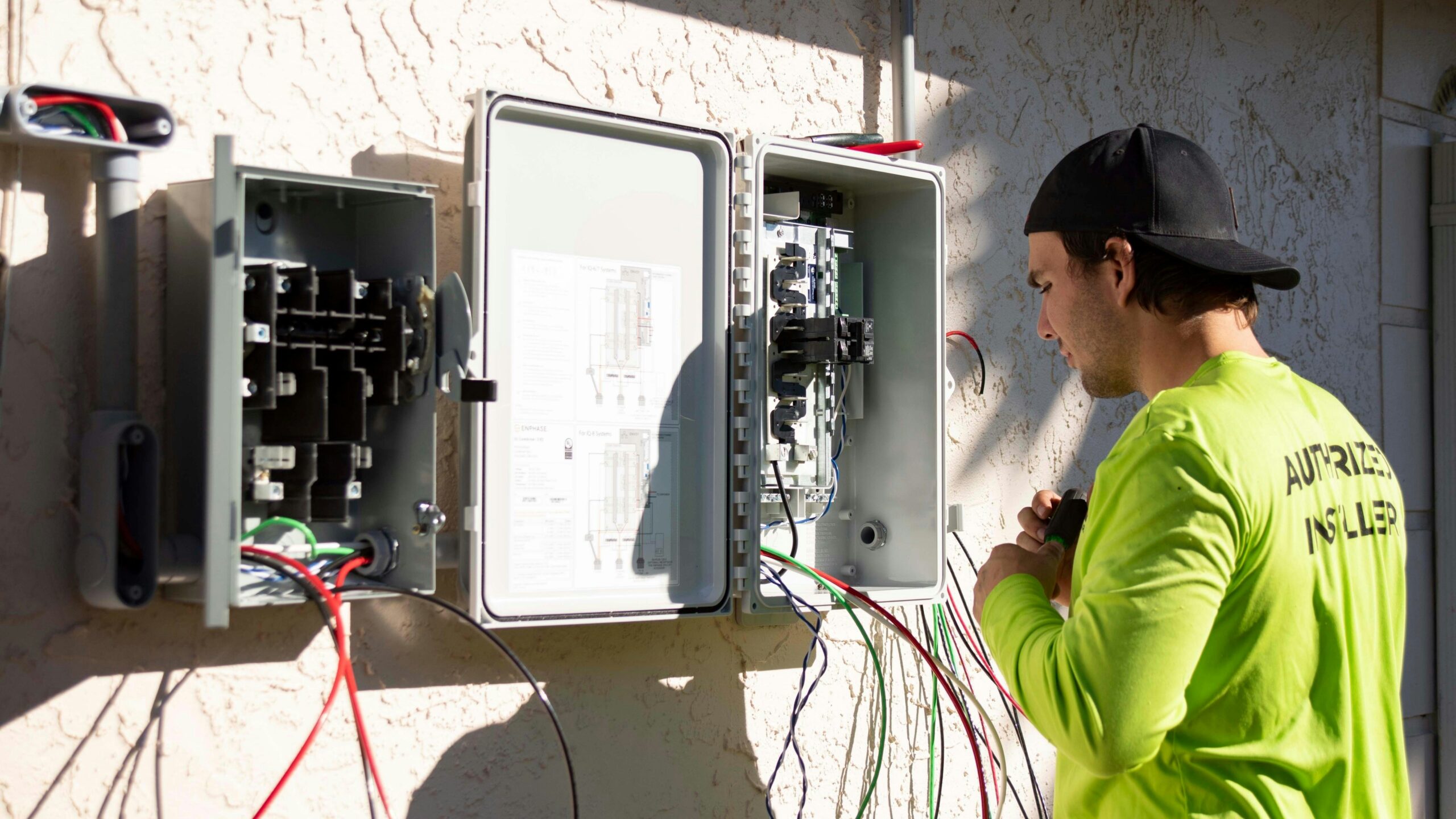
Electrical safety compliance is one of the most important components of HUD’s NSPIRE standards. For property owners, housing authorities, and property managers, getting this right is essential—not just for inspection scores, but for resident safety and the long-term health of a property. Electrical hazards are among the most common and most serious issues flagged during NSPIRE inspections, often carrying life-threatening designations requiring correction within 24 hours.
This guide explains what electrical safety compliance means under NSPIRE, the most common violations, and how you can proactively prepare your buildings to pass inspections.
Need help preparing for your NSPIRE inspection?
Schedule a Pre-Inspection with NSPIRE Experts
Key Takeaways
- NSPIRE electrical compliance ensures safety, prevents fire hazards, and protects against shocks.
- Life-threatening issues—like exposed wiring or water contact—must be repaired within 24 hours.
- GFCI and AFCI requirements are some of the most common reasons for failing inspections.
- Pre-inspections, maintenance training, and documentation greatly improve compliance.
- NSPIRE Experts offer nationwide services to help prepare your property for inspections.
What Is Electrical Safety Compliance Under NSPIRE?
Electrical safety compliance under NSPIRE refers to meeting HUD requirements that ensure electrical components are safe, functional, and free from hazards that could lead to shocks, fires, or failure of essential systems. Inspectors evaluate wiring, outlets, service panels, lighting, and electrical equipment—any area where defective electricity could put residents at risk.
Electrical issues are scored across three categories:
- Life-Threatening (LT): Must be corrected within 24 hours
- Severe (S): Must be corrected within 30 days
- Moderate (M): Must be corrected within 30 days
Why Electrical Safety Compliance Matters
Electrical systems can deteriorate quickly, especially in older properties or high-turnover units. Ensuring compliance reduces risk and helps maintain safe living conditions.
Common consequences of poor electrical compliance include:
• Failed NSPIRE inspections
Even a single life-threatening electrical issue—like exposed wiring—causes an automatic failure, requiring rapid repair and reinspection.
• Loss of HUD funding or delayed approvals
Properties that repeatedly fail may face funding consequences or restrictions on future approvals.
• Increased liability and resident complaints
Unsafe electrical systems can lead to injury, fires, or other harmful situations, increasing legal and financial risks.
• Higher emergency repair costs
Unaddressed electrical issues often escalate, becoming more expensive to fix later.
• Operational setbacks
Inspection failures can affect timelines, occupancy, turnover planning, and property management workflows.
Key Areas of Electrical Safety Compliance Under NSPIRE
Below is a detailed breakdown of the electrical components inspectors evaluate.
1. Electrical Conductors, Outlets, and Switches
Inspectors carefully evaluate these items because they directly affect resident safety.
Common issues include:
• Exposed electrical wiring
Exposed wiring poses an immediate electrocution or fire risk. This is always considered life-threatening and must be fixed within 24 hours.
• Damaged or missing outlets or switch covers
Broken covers expose internal wiring. Even if the wiring is not actively sparking, this still qualifies as a hazard because residents—especially children—could touch live components.
• Outlets not energized
If an outlet doesn’t energize, it could indicate deeper wiring issues, faulty circuits, or panel problems that need investigation.
• Incorrectly wired or ungrounded three-prong outlets
Ungrounded outlets are common in older buildings and pose a shock hazard, especially near appliances or electronics.
• Water in contact with electrical components
Any moisture contact makes the hazard life-threatening due to electrical conductivity and the possibility of short-circuiting.
• Unprotected outlets near water sources
If outlets within six feet of sinks or showers lack GFCI protection, the unit fails that item during inspection.
2. GFCI and AFCI Requirements
GFCI (Ground Fault Circuit Interrupter) and AFCI (Arc Fault Circuit Interrupter) protection is essential for preventing electrical shocks and fires.
• Missing GFCI in kitchens, bathrooms, laundry areas, or exteriors
GFCIs must be installed in all wet or moisture-prone areas to protect against current leakage.
• Inoperable test/reset buttons
Inspectors test GFCI/AFCI functions. If buttons don’t respond as designed, the unit receives a failure.
• Damaged devices
Cracked casings, loose wiring, or inconsistent power flow are common issues requiring replacement.
• Required AFCI protection not installed
AFCIs reduce arc-related fires. Missing or inoperable AFCI protection is considered a safety issue.
3. Electrical Service Panels
Panels are a major focus during NSPIRE inspections, and inspectors look for several conditions.
• Panel not accessible
Panels must be reachable without moving furniture or stored items. A blocked panel fails the inspection.
• Missing panel covers
If wiring inside the panel is exposed, this becomes a severe or life-threatening hazard.
• Damaged or contaminated overcurrent protection devices
Breaker damage or signs of overheating indicate a high fire risk.
• Moisture inside the panel
Water intrusion is extremely dangerous and leads to automatic failure.
• Improper labeling or organization
While not always a fail point, mislabeled panels slow emergency response and indicate poor maintenance.
4. Interior and Auxiliary Lighting
Lighting affects both visibility and safety.
• Missing lighting fixtures in kitchens and bathrooms
NSPIRE requires at least one permanently installed light fixture in these areas. Portable lamps do not count.
• Inoperable fixtures
Even if the issue is a burned-out bulb, fixtures must function at the time of inspection.
• Damaged emergency lighting
Hallways, stairwells, and common areas sometimes require auxiliary lighting. If backup lighting does not activate during testing, it is a safety violation.
• Loose or unstable fixtures
Anything that could fall or expose wiring qualifies as unsafe.
5. Electrical + Water Safety
Water magnifies electrical hazards. Inspectors will call life-threatening deficiencies for:
• Leaks near outlets or wiring
HVAC, plumbing, or roof leaks that reach electrical components are immediate safety risks.
• Standing water near electrical panels
Water + panel contact requires emergency repair.
• Condensation or water intrusion affecting electrical equipment
This is common in laundry rooms, basements, and bathrooms.
These are some of the highest-risk items that inspectors flag.
Common Electrical Safety Failures Under NSPIRE
• Exposed electrical wiring
Often caused by aging units, improper repairs, or tenant damage.
• Improperly grounded outlets
Especially common in older buildings that were never updated to modern electrical codes.
• Missing GFCI protection
A leading cause of electrical-related failures across all NSPIRE inspections.
• Inaccessible electrical panels
A simple but widespread issue—panels blocked by storage or installed too high.
• Water intrusion affecting electrical components
Usually tied to larger building envelope issues (plumbing, roofing, HVAC).
• Inoperable or missing light fixtures
NSPIRE requires working lighting for safety and visibility.
Avoid these common failures — let a certified NSPIRE team inspect your electrical systems.
Book a 48-Hour Pre-Inspection
Preparing Your Property for Electrical Safety Compliance
1. Perform a NSPIRE Pre-Inspection
A pre-inspection allows professionals to identify electrical hazards before HUD inspectors do. This saves time, prevents failures, and reduces stress.
Internal link suggestion: https://nspireexperts.com/pre-inspections
2. Train Your Maintenance Team
Your team should know what “life-threatening,” “severe,” and “moderate” electrical hazards look like. Proper training helps staff catch problems early.
3. Document All Electrical Repairs
HUD values transparency. Tracking repairs with photos and notes shows consistency, accountability, and compliance readiness.
4. Fix Moisture Problems Immediately
Most electrical hazards become life-threatening when water is involved. Address roof leaks, plumbing issues, and foundation moisture early.
5. Use NSPIRE Experts for Repairs and Inspection Support
NSPIRE Experts provide repair services, shadow inspectors on the day of inspection, and ensure electrical and safety standards are fully met.
How NSPIRE Experts Help You Stay Compliant
NSPIRE Experts offer nationwide, fast-turnaround services tailored to inspections:
• Comprehensive Pre-Inspections
Covers every electrical, structural, safety, and compliance requirement outlined by HUD.
• Fast Repairs with On-Site Teams
Teams remain on-site to tackle repairs unit-by-unit, reducing downtime and speeding compliance efforts.
• Inspection Shadowing
Experts accompany the HUD inspector to ensure proper scoring and clarification on electrical items.
• Work Order Management
Helps property managers track electrical deficiencies, prioritize repairs, and stay compliant year-round. Have electrical repairs you need handled quickly? We can help. Schedule Your Free Consultation.
FAQs
What electrical issues are considered life-threatening?
Exposed wiring, water contact, missing GFCI near water, and any active electrical hazard.
How quickly must electrical hazards be corrected?
- Life-threatening: within 24 hours
- Severe or moderate: within 30 days
Do I need GFCI outlets everywhere?
Not everywhere—only where NSPIRE requires them, generally near wet areas.
Can NSPIRE Experts handle electrical repairs?
Yes. Repairs, pre-inspections, and inspection support are available nationwide.