
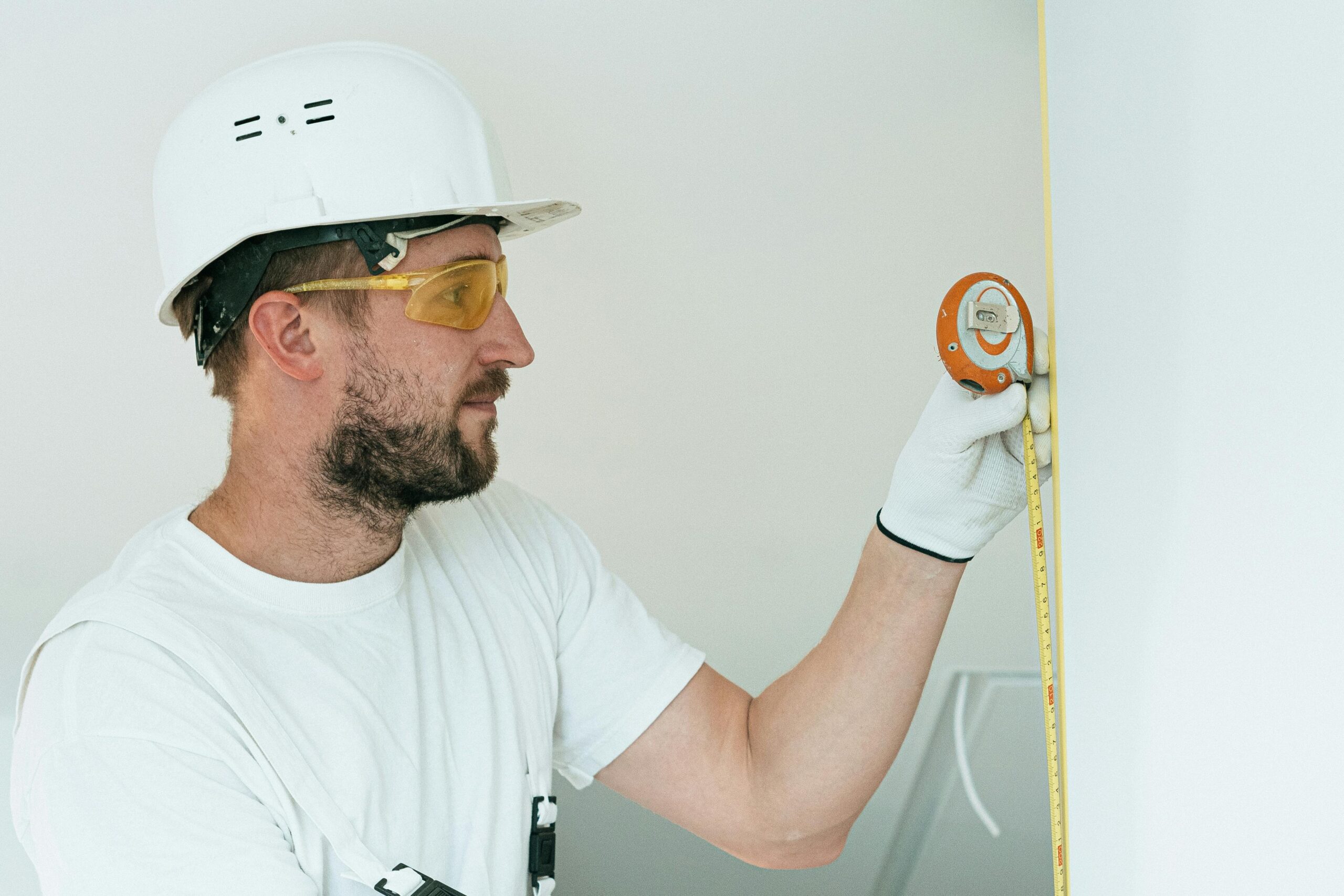
NSPIRE inspections are designed to identify issues that affect resident safety, habitability, and basic building functions. In practice, many failed inspections come down to recurring maintenance deficiencies: items that should have been identified through routine checks, work orders, and basic preventive maintenance.
This guide breaks down the most common problems inspectors cite, why they matter, and how to reduce repeat findings across units, common areas, and building exteriors.
Key takeaways
- Prioritize life-safety items first (alarms, egress, fire doors, electrical hazards).
- Build a repeatable checklist and walk every unit the same way, every time.
- Many deficiencies are “small” maintenance issues that become big inspection problems when they stack up.
- Work order systems reduce re-check risk by tracking assignment, evidence, and completion.
- A pre-inspection helps you find issues before the official timeline starts.
Why maintenance deficiencies matter in NSPIRE inspections
NSPIRE uses severity categories to flag deficiencies that threaten health and safety and require fast correction. Life-threatening deficiencies typically require correction within 24 hours, while many severe and moderate items require correction within 30 days (program rules can vary).
HUD also defines a “Health and Safety Report” that includes urgent deficiencies (including life-threatening and severe) that must be corrected quickly, which is why these issues can create immediate operational pressure if they’re found during an inspection.
Maintenance deficiencies that require 24-hour action
The fastest way to reduce inspection risk is to treat life-safety items like a standing weekly checklist, not a “pre-inspection scramble.” The most common urgent findings are alarms/detectors, egress obstructions, and electrical hazards.
If you want support identifying urgent items before inspection day, schedule an NSPIRE Pre-Inspection.
The most common maintenance deficiencies inspectors cite
Below are high-frequency categories that show up across portfolios, especially when maintenance is reactive or work orders aren’t closed with verification.
1) Smoke alarms and carbon monoxide alarms
Common findings include missing alarms, improper placement, obstructions, or alarms that fail during testing. These often fall into urgent categories because they are direct life-safety items.
What to do:
- Standardize battery replacement and functional testing on a set cadence.
- Document installs and tests unit by unit (photos, date, unit number).
- Keep replacement devices on hand so your team can resolve issues immediately.
2) Fire safety and egress problems
These findings typically arise from blocked exits, obstructed travel paths, damaged or missing exit signage, and fire-rated doors that don’t self-close and latch.
What to do:
- Walk egress routes in every building and stairwell weekly.
- Verify fire doors close fully and latch without propping.
- Remove stored items from corridors and stair landings (this is one of the easiest “avoidable” failures).
3) Electrical hazards in units and common areas
High-frequency electrical issues include damaged outlets/switches, exposed conductors, outlets near water without required protection, and GFCI/AFCI devices that don’t test/reset.
What to do:
- Add outlet testing (including GFCI test/reset) to your unit turns and quarterly checks.
- Train techs to flag moisture-in-contact risks immediately.
- Standardize panel access checks to prevent electrical service panels from being blocked.
4) Plumbing leaks, drainage, and water heater issues
Plumbing findings often include active leaks, blocked drainage/sewage lines, and issues related to hot water delivery and water heater components.
What to do:
- Treat “small leaks” as high priority (they also feed mold/moisture findings).
- Check under-sink traps, toilet stability, and visible supply lines during routine unit checks.
- Verify that bathrooms ventilate properly to reduce moisture accumulation.
5) Doors and windows that don’t secure, open, or close properly
Common issues include entry doors that can’t be secured, doors that won’t close, damaged frames/thresholds, and windows that won’t open/close or lock.
What to do:
- Add “secure/egress function test” to every move-out and quarterly unit inspection.
- Keep a small parts kit ready (strikes, hinges, weatherstripping, window locks).
- Track repeat failures by building to identify systemic wear or vendor quality issues.
6) Trip hazards, stairs, and flooring conditions
Trip hazards on walking surfaces, damaged treads, and stairs that aren’t functionally adequate show up frequently, especially in older properties and high-traffic common areas.
What to do:
- Walk sidewalks, ramps, and stairwells on a fixed schedule.
- Fix small transitions before they become major hazards.
- Document repairs with photos so you can prove correction if asked.
7) Mold-like substance, moisture, and ventilation
NSPIRE checklists include mold-like substance and moisture indicators. Even when the root cause is plumbing or building envelope, the deficiency can still be cited if visible conditions exist.
What to do:
- Pair leak response with dehumidification and proper drying.
- Verify bathroom exhaust performance.
- Track repeat moisture locations (they often point to the same underlying failure).
8) Infestation indicators
Evidence of pests (including rodents and insects) can be cited and may escalate when it becomes extensive.
What to do:
- Treat trash areas, compactor rooms, and food storage spaces as “hot zones.”
- Combine pest control with sealing, sanitation, and resident communication.
- Log service dates and corrective actions.
A practical system to reduce repeat findings
The easiest way to lower recurring maintenance deficiencies is to move from “fixing what’s reported” to “verifying what’s expected.”
A simple approach that works across portfolios:
- Use a standardized checklist
Start with a consistent NSPIRE inspection checklist and make it part of your maintenance rhythm, not just inspection prep. - Tie checks to work orders
Use a maintenance work order management workflow that assigns, tracks, and closes items with proof (photos, notes, unit IDs). - Build preventive maintenance into the calendar
A preventive program reduces emergencies and makes inspection outcomes more predictable.
If you want an expert to validate your current process and identify high-risk gaps, schedule an NSPIRE Pre-Inspection
Frequently asked questions
What are the most common maintenance deficiencies that cause urgent problems?
Life-safety issues such as alarms/detectors, serious electrical hazards, and blocked egress paths tend to pose the greatest immediate risk and the fastest correction timelines.
How fast do life-threatening NSPIRE items need to be corrected?
HUD guidance commonly references 24-hour correction expectations for life-threatening deficiencies, depending on program requirements and notice details.
Are “small” issues like door hardware and window locks really a big deal?
Yes. A door that can’t be secured or a window that won’t close/lock can be cited because it impacts safety, security, weather exposure, and habitability.
How do I keep from fixing the same issues over and over?
Track repeat locations, use consistent inspections, and close work orders with verification. A work order system helps you identify patterns (same building, same component type, same vendor).
Should I do a pre-inspection even if my team is experienced?
A pre-inspection is helpful when you need an objective checklist run, faster prioritization, or a second set of eyes before the official inspection clock starts.
NSPIRE outcomes improve when inspection readiness is treated as an operational process: consistent checks, documented work orders, and rapid correction of life-safety items. If you want help identifying and resolving the most common maintenance deficiencies before inspection day, schedule a NSPIRE Pre-Inspection