
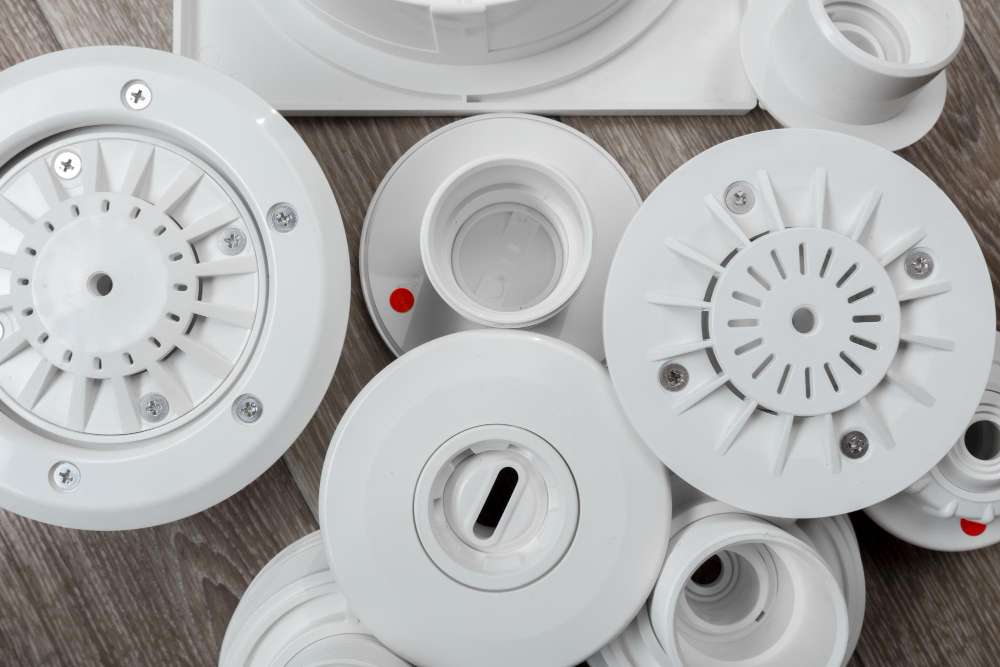
Carbon monoxide detector inspection is a critical component of NSPIRE compliance and resident safety. Carbon monoxide (CO) is a colorless, odorless gas that can cause serious injury or death when detectors are missing, installed incorrectly, or nonfunctional. Under NSPIRE standards, carbon monoxide safety issues are treated as life-threatening deficiencies, making them a top priority for property owners and managers.
This guide explains how carbon monoxide detector inspection fits into NSPIRE requirements, what inspectors look for, common compliance failures, and how to prepare your property to pass inspection the first time.
Key Takeaways
- Carbon monoxide detector inspection is required when fuel-burning risks exist.
- Missing or non-functional detectors are classified as life-threatening deficiencies.
- Inspectors verify placement, functionality, and obstruction.
- Carbon monoxide deficiencies must be corrected within 24 hours.
- NSPIRE pre-inspection services help prevent failed inspections and emergency repairs.
Why Carbon Monoxide Detector Inspection Matters Under NSPIRE
NSPIRE places resident health and safety at the center of every inspection. Carbon monoxide exposure is among the most dangerous hazards in residential housing, especially in properties with fuel-burning appliances, attached garages, or shared mechanical systems.
A failed carbon monoxide detector inspection can result in an immediate life-threatening designation. These deficiencies must be corrected within 24 hours; failure to do so can result in failed inspections, penalties, or loss of funding.
For property managers and housing authorities, proactive carbon monoxide detector inspections help prevent emergencies, protect inspection scores, and support overall electrical safety compliance under NSPIRE standards.
When Carbon Monoxide Detectors Are Required
Carbon monoxide detectors are required in dwelling units when certain conditions exist. Inspectors will check for detectors if the unit includes:
- Fuel-burning appliances such as gas furnaces, boilers, or water heaters
- Fireplaces or wood-burning stoves
- Attached or adjacent garages
- Shared mechanical spaces that could introduce carbon monoxide
A proper inspection confirms that detectors are present where required and installed correctly based on the unit layout and risk factors defined by HUD’s NSPIRE rule.
Where Carbon Monoxide Detectors Must Be Installed
Placement is one of the most common causes of failure during carbon monoxide detector inspection. NSPIRE inspectors verify that detectors are installed in proper locations, which typically include:
- Outside sleeping areas
- On every level of the dwelling unit, when required
- In locations recommended by the manufacturer
- In areas where alarms are clearly audible to occupants
Detectors installed behind doors, obstructed by furniture, or placed too far from sleeping areas frequently trigger life-threatening findings during inspection.
What Inspectors Look for During Carbon Monoxide Detector Inspection
During a carbon monoxide detector inspection, inspectors evaluate several criteria tied directly to NSPIRE health and safety requirements.
Inspectors verify that:
- Carbon monoxide detectors are present where required
- Devices are securely mounted and not obstructed
- Alarms produce an audible or visual signal when tested
- Units are powered correctly by battery, hardwire, or approved power source
- Devices are not expired, damaged, or disabled
These checks align with HUD’s published inspection guidance and health and safety designations outlined in the NSPIRE final rule.
Common Carbon Monoxide Detector Inspection Failures
Carbon monoxide inspection failures are often preventable. The most common deficiencies include:
- Missing detectors in required locations
- Improper installation or placement
- Expired detectors beyond manufacturer lifespan
- Dead or missing batteries
- Obstructed alarms blocked by objects or coverings
- Detectors that fail functional testing
Even a single issue can result in a life-threatening deficiency, making routine inspections essential.
Correction Timeframes for Carbon Monoxide Deficiencies
Under NSPIRE standards, carbon monoxide inspection deficiencies are classified as life-threatening. These issues must be corrected within 24 hours.
Failure to correct deficiencies within this window may lead to:
- Failed NSPIRE inspections
- Increased follow-up inspections
- Financial penalties or funding risk
- Emergency corrective action requirements
This is why many property owners rely on NSPIRE pre-inspection services to identify and resolve carbon monoxide issues before official inspections occur.
How to Prepare for Carbon Monoxide Detector Inspection
Preparing for an inspection should be part of a regular maintenance and inspection process. Best practices include:
- Verifying detector presence in every required unit
- Testing alarms during unit turns and maintenance visits
- Replacing batteries on a scheduled basis
- Tracking installation dates and manufacturer expiration timelines
- Confirming placement meets current NSPIRE guidance
Conducting a proactive walkthrough before inspection day significantly reduces the risk of last-minute life-threatening findings.
How NSPIRE Pre-Inspection Services Help
A professional NSPIRE pre-inspection evaluates carbon monoxide detector inspection compliance across all applicable units. These inspections:
- Identify missing or improperly installed detectors
- Flag expired or malfunctioning alarms
- Provide documented findings tied to NSPIRE standards
- Reduce the risk of emergency corrections and failed inspections
Learn how this process works through NSPIRE Experts’ NSPIRE pre-inspection services, which are designed to catch safety deficiencies early and keep properties inspection-ready.
If your team needs help scheduling or preparing, you can schedule an NSPIRE pre-inspection directly through the NSPIRE Experts contact page.
Carbon Monoxide Safety and Resident Protection
Carbon monoxide detector inspection is not only a compliance requirement. It plays a critical role in protecting residents from preventable harm. Properly functioning detectors provide early warnings and allow occupants time to respond safely.
Consistent inspections also demonstrate due diligence, reduce liability exposure, and support better outcomes during NSPIRE evaluations.
For additional guidance on carbon monoxide alarm safety and testing standards, refer to the Centers for Disease Control and Prevention carbon monoxide safety guidance and the National Fire Protection Association recommendations for carbon monoxide alarms.
Frequently Asked Questions
Is a carbon monoxide detector inspection required for all units?
Carbon monoxide inspection is required when units contain fuel-burning appliances, fireplaces, or attached garages. Inspectors assess risk factors to determine applicability.
What happens if a detector fails testing?
If a detector does not produce an audible or visual alarm when tested, it is considered a life-threatening deficiency and must be corrected within 24 hours.
Are battery-powered detectors acceptable?
Battery-powered detectors are acceptable if they meet manufacturer requirements and function properly during inspection.
How often should carbon monoxide detectors be replaced?
Most detectors expire after five to ten years. Carbon monoxide detector inspection should always include checking manufacturer expiration dates.
Should detectors be tested before inspection day?
Yes. Testing detectors before inspection day is strongly recommended and helps avoid preventable failures.
Carbon monoxide inspection is one of the most critical safety checks under NSPIRE. Because deficiencies are classified as life-threatening, even small oversights can result in failed inspections and serious consequences.
Staying ahead of requirements through routine checks and professional pre-inspections protects residents, preserves inspection scores, and reduces operational risk.
If you want expert support in preparing for NSPIRE inspections, schedule a pre-inspection with NSPIRE Experts to ensure your property is fully compliant before inspection day.