
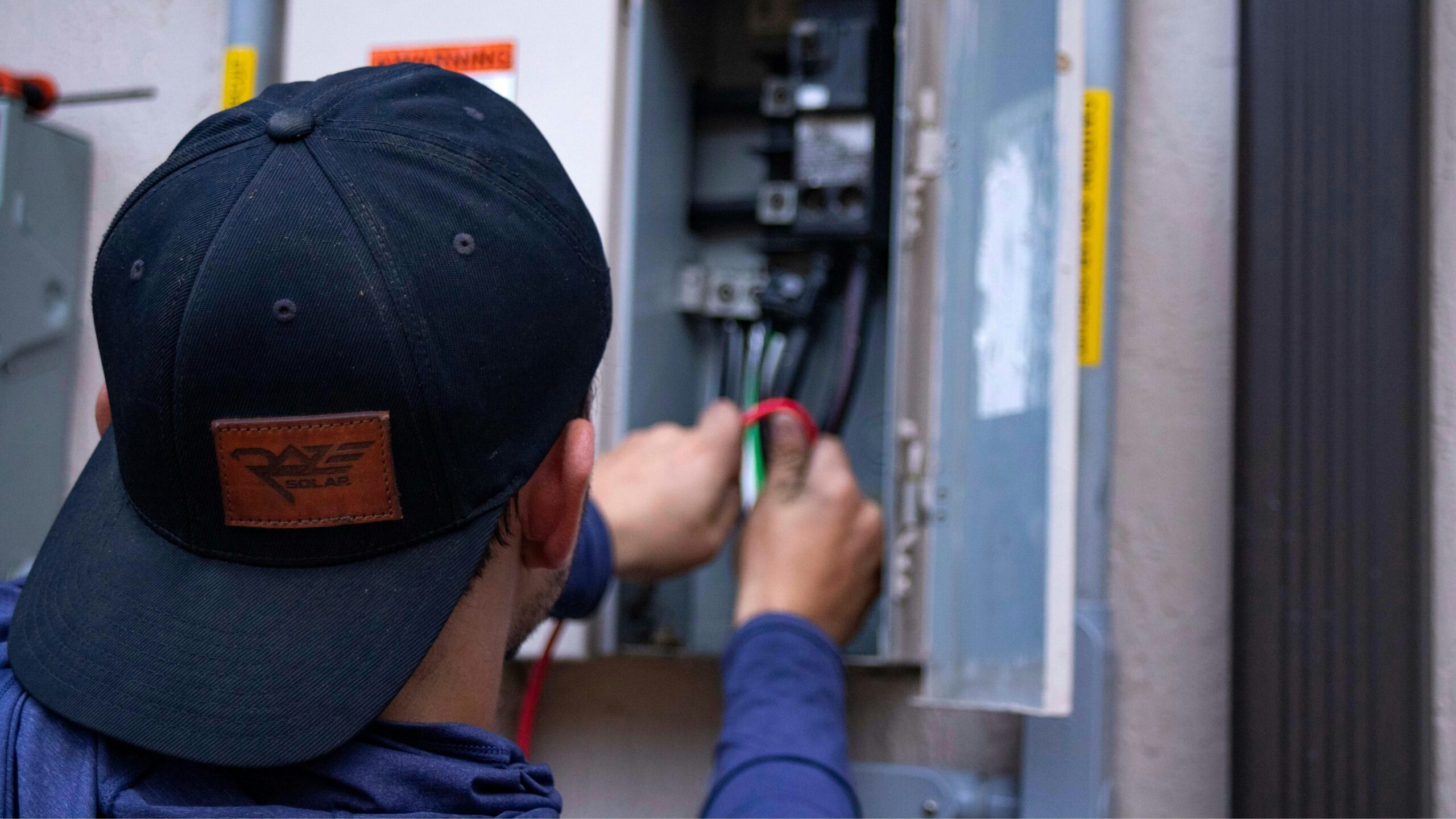
If you manage HUD-assisted properties, you already know electrical issues are some of the fastest ways to lose points on an inspection. A single problem within the service panel can escalate into a life-threatening condition under NSPIRE. That’s why a focused breaker panel inspection is one of the most important things you can do before HUD arrives. Done right, it protects residents, keeps you compliant, and prevents last-minute scrambling on inspection day.
In this guide, we’ll walk through what NSPIRE expects from your electrical service panel, how to structure a breaker panel inspection, the most common deficiencies to watch for, and when to bring in expert help.
Key Takeaways
- NSPIRE treats the electrical service panel as a critical safety component with its own detailed standard.
- A structured breaker panel inspection should check accessibility, covers, overcurrent devices, moisture, and labeling.
- Common NSPIRE electrical deficiencies include blocked panels, missing covers, damaged breakers, and signs of water intrusion.
- Aligning your panel inspections with official HUD NSPIRE standards and checklists reduces surprises on inspection day.
- Partnering with NSPIRE Experts for pre-inspections and repairs helps property managers quickly close electrical gaps and protect both residents and property.
What NSPIRE Expects From Your Electrical Service Panel
Under NSPIRE, the electrical service panel is treated as a critical safety component. HUD publishes a dedicated NSPIRE Electrical – Service Panel standard that explains how panels will be evaluated, including accessibility, covers, overcurrent protection devices, and signs of damage or overheating.
You can review the full set of NSPIRE electrical standards on HUD’s official NSPIRE standards page.
At a high level, inspectors will expect:
- The panel to be readily accessible without moving stored items
- Covers and dead fronts in place, with no exposed energized parts
- Breakers or fuses intact, not damaged, burned, or modified
- No water intrusion, corrosion, or evidence of overheating
- Clear working space around the panel, with no flammable storage
Several NSPIRE inspection checklists used by housing programs flag conditions such as “electrical service panel is not readily accessible” and “overcurrent protection device is damaged” as deficiencies that must be corrected within specified timeframes.
Why Breaker Panel Inspection Matters for Property Managers
A breaker panel inspection is more than just opening the door and glancing at the breakers.
When panels are blocked, corroded, mislabeled, or damaged, you can see:
- Life-threatening deficiencies that must be fixed within 24 hours
- Forced emergency repairs instead of planned work
- Repeat NSPIRE electrical failures across multiple units
- Increased risk of fires, shocks, and liability
NSPIRE shifts HUD’s focus toward health, safety, and habitability. Electrical systems, especially service panels, sit at the center of that shift.
A proactive breaker panel inspection before NSPIRE lets you identify and fix issues on your terms, not under the pressure of a failed score.
How to Structure a Breaker Panel Inspection Under NSPIRE
Think of your breaker panel inspection as a simple, step-by-step checklist you or your maintenance team can use across the property.
1. Verify Accessibility and Working Space
NSPIRE expects the electrical service panel to be reachable without moving heavy objects or digging through stored items. Many checklists flag “panel not readily accessible” as a deficiency.
During your breaker panel inspection:
- Confirm there is clear working space in front of the panel
- Remove storage stacked directly in front of or blocking the door
- Make sure nothing flammable is stored near the panel
If an inspector cannot access the panel easily, you risk an automatic hit on your score, even if everything inside is in good shape.
2. Inspect Covers and Dead Fronts
Next, look at the cover itself:
- Is the panel door intact and able to close securely?
- Is the dead front (the inner cover over breakers/fuses) in place?
- Are there any missing knockout covers, open spaces, or exposed conductors?
NSPIRE electrical standards are clear: occupants and inspectors should never be exposed to energized parts. Missing covers or open spaces can be treated as severe or life-threatening conditions, depending on the risk.
3. Check Breakers and Overcurrent Devices
Now focus on the breakers themselves:
- Look for visible damage, cracks, or signs of melting
- Check for rust, corrosion, or discoloration from overheating
- Confirm that no breakers appear “jammed,” taped, or modified
- Ensure all unused breaker slots are properly covered
Several NSPIRE electrical guidance documents highlight damaged or contaminated overcurrent protection devices as a key deficiency area.
Any breaker that looks burned, loose, or physically altered should be evaluated and replaced by a qualified electrician.
4. Scan for Moisture, Corrosion, and Foreign Materials
Water and electricity never mix, and NSPIRE treats this combination as a serious hazard.
During breaker panel inspection:
- Look for signs of water staining, rust, or mineral deposits
- Check for condensation or active leaks above or around the panel
- Remove any non-electrical items (paper, cloth, debris) from inside the cabinet
If water has been in contact with electrical components, it may be recorded as a life-threatening deficiency that must be corrected within 24 hours.
5. Review Labeling and Organization
While not always a pass/fail item on its own, labeling helps in emergencies and supports a professional inspection.
- Confirm circuits are labeled in a clear, legible way
- Make note of any obviously mislabeled or missing descriptions
- Use your pre-inspection as a chance to tighten up documentation
Better labels make it easier to trace issues when NSPIRE deficiencies are found elsewhere in the system (for example, an outlet that repeatedly trips a breaker).
Common NSPIRE Electrical Deficiencies Found in Breaker Panels
Even well-run properties see patterns in their NSPIRE electrical findings. Some of the most frequent issues noted in service panels include:
- Breaker panels blocked by furniture or storage
- Missing dead fronts, open slots, or exposed energized parts
- Breakers with visible damage, scorching, or corrosion
- Panels installed near sources of moisture with no mitigation
- Evidence of non-professional work, like double-tapped breakers
Third-party NSPIRE training resources and electrical guides emphasize that these conditions often occur across multiple units or buildings, amplifying their impact on your score.
If your property has older electrical systems or has undergone years of piecemeal repairs, a thorough breaker panel inspection is one of the best ways to proactively address recurring issues.
Connecting Breaker Panel Inspections to Overall NSPIRE Electrical Compliance
Breaker panels are only one part of NSPIRE’s electrical picture. Inspectors will also look at outlets, switches, conductors, lighting, GFCI/AFCI protection, and the interaction between water and electricity.
For a bigger-picture view of NSPIRE electrical expectations, you can review:
- NSPIRE Experts’ guide on Electrical Safety Compliance Under NSPIRE Nspire Experts
- HUD’s official NSPIRE standards download page HUD+1
- HUD Exchange’s NSPIRE overview for property managers HUD Exchange
Using these resources together lets you align your breaker panel inspection with the rest of your NSPIRE preparation workflow.
How NSPIRE Experts Support Breaker Panel Inspections
You don’t have to manage NSPIRE electrical requirements alone. NSPIRE Experts focuses specifically on HUD and NSPIRE compliance, including detailed pre-inspections and on-site repairs.
Here’s how they plug into your breaker panel inspection process.
NSPIRE Pre-Inspection Focused on Electrical Risk
With an NSPIRE Pre-Inspection, NSPIRE Experts walk your property using HUD’s own standards, identifying electrical risks before the official inspection, including panel access, damage, moisture issues, and deficiencies in related outlets and conductors.
You get a detailed report, photos, and clear recommendations so your team knows exactly what to fix.
Property-Wide NSPIRE Inspection Support
For broader help, NSPIRE Experts also provides a full NSPIRE inspection guide and checklist designed for property managers who want to build an organized, repeatable prep process across all systems, not just electrical.
This makes it easier to fold breaker panel inspection into your overall NSPIRE readiness plan.
Fast Repairs and Ongoing Electrical Compliance
Once deficiencies are identified, NSPIRE Experts’ on-site crews can quickly correct them as part of larger property preparation and repair programs. That means less time tracking work orders and more time with systems that are safe, functional, and inspection-ready.
Schedule an NSPIRE Pre-Inspection to have an expert team review your breaker panels and electrical systems before HUD does.
FAQs About Breaker Panel Inspections and NSPIRE
How often should I perform a breaker panel inspection?
At minimum, review panels during your NSPIRE pre-inspection cycle and before anticipated HUD inspections. Many property managers also include panel checks in annual safety inspections or major turnover projects.
What makes a breaker panel “not readily accessible” under NSPIRE?
If inspectors must move heavy storage, climb over obstacles, or cannot safely reach the panel door, the panel door may be considered not readily accessible, which is a recorded deficiency in many NSPIRE checklists.
Who should perform a breaker panel inspection?
Visual checks for access, covers, and obvious damage can be done by trained maintenance staff during pre-inspections. Any suspected wiring, breaker, or moisture issues should be evaluated and repaired by a qualified electrician to ensure compliance with both NSPIRE and local code requirements.
Does NSPIRE require specific breaker types?
NSPIRE does not replace your local electrical code, but inspectors will expect service panels and breakers to be safe, functional, and consistent with applicable codes and manufacturer requirements. Issues like double-tapped breakers, homemade modifications, or incompatible parts are likely to be flagged as deficiencies.
How can NSPIRE Experts help with my electrical prep?
NSPIRE Experts can perform a NSPIRE-style pre-inspection, identify electrical issues in panels and elsewhere, provide clear reports, and support repairs so your property meets HUD’s electrical safety expectations before the official inspection. You can learn more or request support on their NSPIRE Pre-Inspection page or via the NSPIRE Experts contact page.