
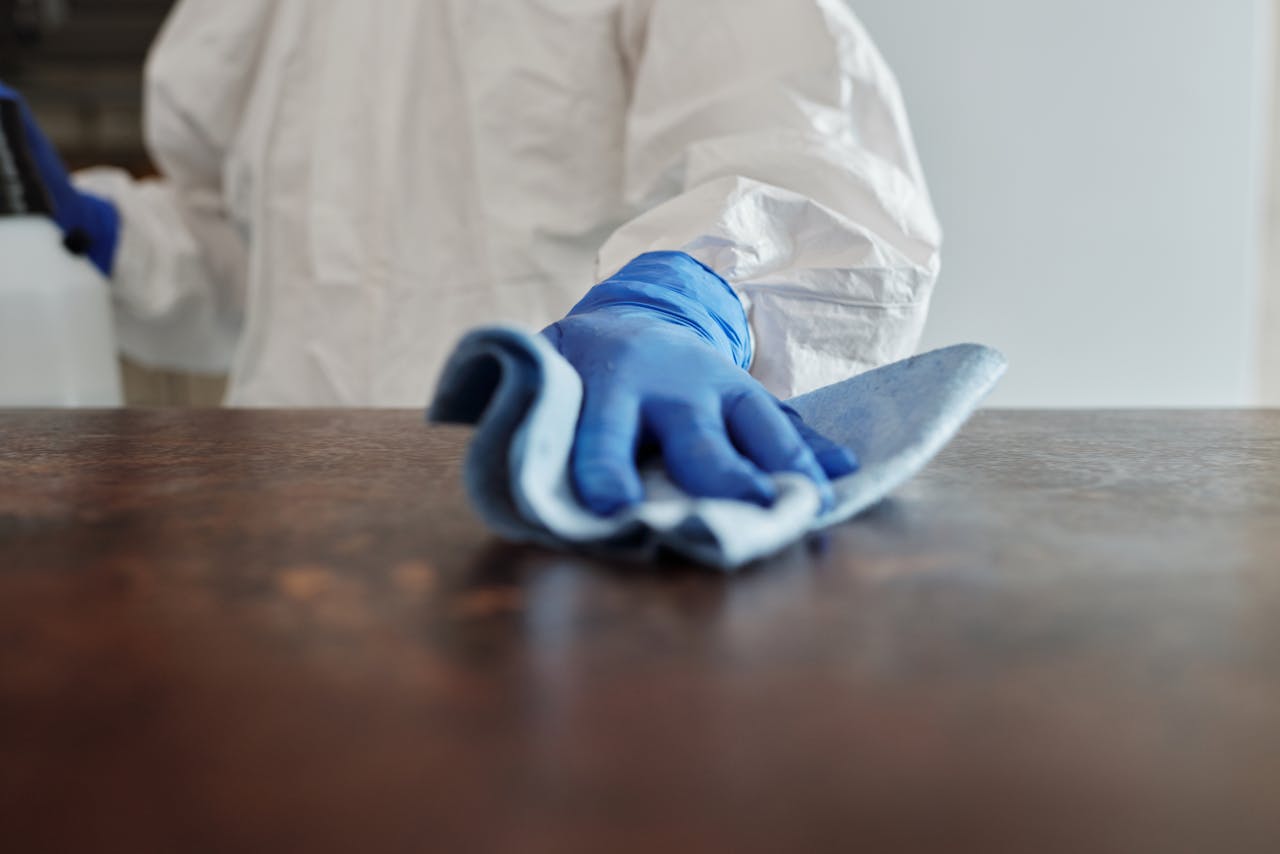
Rental turnover cleaning isn’t just about making a unit look good—it’s about turning faster, preventing complaints, and keeping your maintenance team from getting pulled back into the same unit twice. This multi-family turnover checklist breaks the process into clear steps (whole-unit reset, kitchen, bathrooms, floors, and a final quality check) so your team can deliver a consistent, move-in-ready clean every time.
If you want a crew that can handle cleaning plus quick punch-list repairs during turnover, contact NSPIRE Experts.
Key takeaways
- A clean turnover is faster when you follow a set order: top-down, dry-first, wet-last.
- Kitchens and bathrooms drive most complaints, odors, and re-clean requests—plan extra time there.
- Use disinfectants correctly (follow label directions and contact time) and maintain safety/housekeeping standards.
- End with a short, high-quality walk-through so the unit is truly move-in ready before leasing shows it.
Rental turnover cleaning: before you start
1) Confirm scope and timeline
Before anyone grabs supplies, confirm:
- Move-out date and target move-in date
- Paint plan (full repaint vs touch-ups)
- Flooring plan (carpet clean vs replace)
- Any known issues from the move-out inspection (odors, pests, broken fixtures)
If you need a refresher on where cleaning fits inside the bigger turnover process, these internal guides can help:
2) Gather supplies (and keep it simple)
Recommended basics:
- Trash bags, box cutter, microfiber cloths, scrub pads
- Neutral all-purpose cleaner + degreaser
- Glass cleaner
- Disinfectant (used per label directions and contact time)
- Toilet bowl cleaner, grout brush, and a small detail brush
- Mop + bucket, vacuum (HEPA if possible), broom/dustpan
- PPE: disposable gloves, eye protection, and masks if dust/odor is heavy
CDC guidance emphasizes routine cleaning to remove germs, with disinfection used when risk is higher (e.g., when someone is sick or in higher-risk situations).
For disinfectants, EPA’s List N tool can help you find EPA-registered products and confirm label directions and contact time.
3) Safety quick checks (do these early)
These aren’t “deep clean” items, but catching them early prevents delays:
- Test lights and replace bulbs (so you can see what you’re cleaning)
- Confirm water and power are on
- Look for leaks under sinks and behind toilets
- Note any strong gas/chemical odors and stop work if needed
Also, keep housekeeping tight to reduce trip hazards and injuries while your team moves quickly through the unit.
Rental turnover cleaning checklist
Use this order to avoid rework: top to bottom, dry tasks first, wet tasks last.
Step 1: Whole-unit reset
- Remove trash, left-behind items, and loose debris
- Dust ceiling corners, vents, fans, and light fixtures
- Dust walls and spot-clean scuffs (especially around switches and door frames)
- Clean doors, handles, and light switches (high-touch)
- Clean baseboards
- Vacuum edges and corners before mopping
Want help turning units faster with fewer call-backs? Schedule a turnover consult.
Step 2: Kitchen
- Degrease stovetop, knobs, hood vent, backsplash, and surrounding walls
- Clean inside/outside of oven (including racks if needed)
- Clean inside/outside of microwave (or confirm replacement if missing)
- Clean fridge inside/outside, remove drawers, wipe gaskets, deodorize
- Wipe cabinets inside/outside (don’t forget top edges and handles)
- Clean counters and sink, polish faucet
- Run disposal (if present) and deodorize the drain
- Clean dishwasher door seal and filter area; wipe exterior
- Sweep and mop the floor; check corners under appliances
Pro tip: If the unit has strong food odors, plan an extra pass: degrease first, then deodorize, then ventilate, then final wipe-down.
Step 3: Bathrooms
- Apply toilet bowl cleaner first, so it has dwell time
- Clean mirrors and vanity lights
- Clean vanity, drawers, and cabinet interiors
- Scrub sink and faucet; remove buildup at the drain
- Scrub tub/shower walls, tub, and fixtures; detail grout lines
- Check for and remove mildew (and note any caulk failure for repairs)
- Clean toilet top to bottom (tank, base, behind toilet)
- Wipe towel bars, hooks, and paper holder
- Sweep and mop; hit corners and behind the toilet
Step 4: Bedrooms and living areas
- Dust and wipe window sills, blinds, and tracks
- Clean interior windows; spot-clean glass on doors (if applicable)
- Wipe closet shelves and rods
- Clean ceiling fans and light fixtures
- Spot-clean walls where furniture rubbed
- Vacuum thoroughly (and plan stain treatment if needed)
Step 5: Floors (finish strong)
- Vacuum hard floors before mopping
- Mop and allow full dry time before final walk
- For carpet: vacuum, then professionally clean (or replace if worn/odor-stained)
- Detail corners, thresholds, and behind doors
Step 6: Laundry/utility areas (if applicable)
- Clean lint and dust around the washer/dryer hookups
- Wipe shelving, water heater closet door, and utility sink (if present)
- Sweep/mop and remove cobwebs
Rental turnover cleaning quality check (10-minute walk)
Use this fast “manager walk” before you mark the unit complete:
- Smell test at the door: must be neutral (no smoke, food, pet, or mildew odor)
- Look at floors from the doorway angle: no streaks, crumbs, or lint lines
- Check kitchen: inside fridge, inside oven front edge, cabinet handles, sink shine
- Check bathroom: mirror streak-free, toilet base clean, no hair in corners
- Check windows: obvious fingerprints removed
- Confirm trash is out and supplies are removed
If you’re managing multiple units and need a consistent, repeatable turnover process, schedule a call with NSPIRE Experts.
FAQs
How long should a standard turnover clean take?
It depends on unit size, condition, and whether you’re cleaning after paint or before. For most teams, the best results come from standardizing your checklist and tracking time per room over a few turns.
Should we disinfect every surface during turnovers?
Not always. Regular cleaning removes dirt and reduces germs; disinfecting is most useful in higher-risk situations and should follow product label directions. CDC guidance explains when cleaning vs disinfecting makes sense at home and on surfaces.
What’s the most missed area during turnovers?
Common misses: cabinet handles, baseboards, window tracks, behind toilets, top edges of doors, and kitchen grease on walls near the stove.
How do we choose the right disinfectant for turnovers?
Use EPA-registered products and follow label directions for the surface type and contact time. The EPA List N tool is a quick way to look up products and guidance.
Can NSPIRE Experts help with multi-family turnovers beyond cleaning?
Yes—NSPIRE Experts supports apartment turnover services and property prep work so units can get move-in ready faster and more consistently.